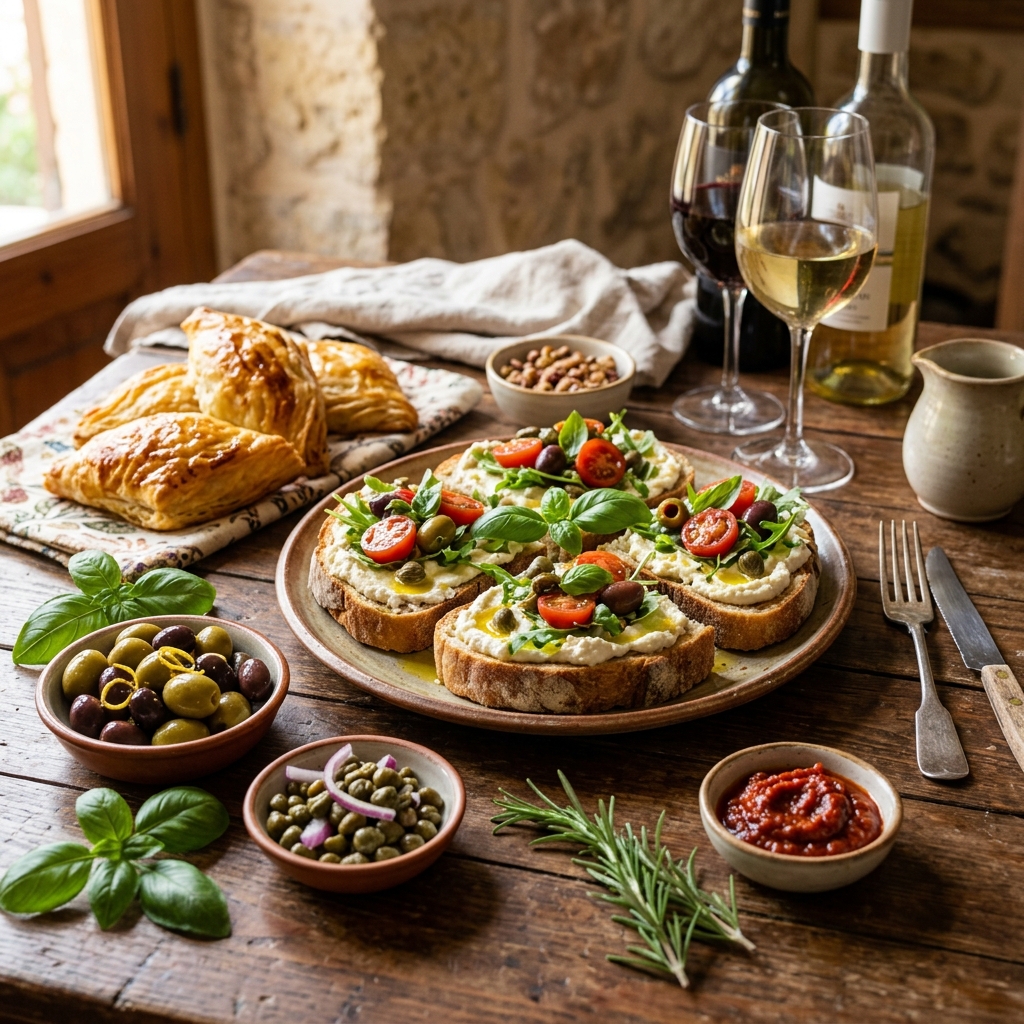
The story of Malta sits right on your plate. Positioned perfectly in the center of the Mediterranean Sea, this small island nation acts as a historical crossroads. Over thousands of years, different empires and civilizations claimed the island, and every single one left a lasting mark on the local kitchen.
When you sit down to eat a traditional Maltese meal, you taste centuries of rich history. You will experience hearty Italian pastas, warm North African spices, and comforting British baking traditions. Local chefs blend these diverse influences perfectly with fresh, bright Mediterranean ingredients. In Malta, food represents much more than simple nourishment. It anchors family gatherings, highlights village feasts, and celebrates the seasonal harvests.
If you plan to visit the island, diving into the local food scene is an absolute necessity. This comprehensive guide walks you through the most iconic Maltese dishes. We will explore their deep cultural roots, explain what makes them so delicious, and point you toward the very best spots to experience them just like a local.
The Cultural Melting Pot of Maltese Cuisine
To truly appreciate Maltese food, you first need to understand the island’s unique history and geography. Malta features very limited farmland and lacks permanent rivers. Because of this, locals historically relied heavily on preserving ingredients and maximizing seasonal produce to survive the incredibly hot and dry Mediterranean summers.
As different empires arrived, they brought new cooking techniques and flavors. The Arabs introduced warm spices, sweet-and-sour combinations, and citrus fruits. Neighboring Sicily heavily influenced the island’s deep love for olive oil, plump tomatoes, and hearty pasta dishes. Later on, the British introduced a strong culture of bakeries, savory pies, and afternoon tea.
The resulting culinary landscape is robust, rustic, and incredibly flavorful. Maltese food is the ultimate peasant cuisine. It relies on the magic of transforming simple, inexpensive ingredients into filling, unforgettable meals designed to feed large families.
Must-Try Traditional Maltese Dishes
- Pastizzi: The Ultimate Street Food
- Stuffat tal-Fenek: The National Dish
- Ftira: A Taste of Maltese Summer
- Hobz biz-Zejt: The Everyday Maltese Snack
- Torta tal-Lampuki: The Taste of the Sea
- Imqaret: A Sweet North African Legacy
- Aljotta: Traditional Maltese Fish Soup
- Qagħaq tal-Għasel: Honey Rings
Every visitor should carve out time to sample these traditional specialties. Each dish tells a unique story about the island’s rich heritage and resourceful people.
1. Pastizzi: The Ultimate Street Food
You simply cannot visit Malta without eating a pastizz (the singular form of pastizzi). These diamond-shaped, flaky pastries stand proudly as the undisputed kings of Maltese street food. Bakers stretch the dough until it becomes paper-thin, then roll it with generous layers of fat. This technique creates a crispy, shatteringly crunchy exterior that easily rivals the finest French croissants.
Traditionally, pastizzi come with two distinct fillings. You can choose a creamy ricotta cheese center or a savory, heavily seasoned mushy pea mixture. Locals eat them at all hours of the day. You will often see people pairing a hot pastry with a tall glass of tea or a cold bottle of Kinnie, Malta’s beloved bitter-sweet national soda.
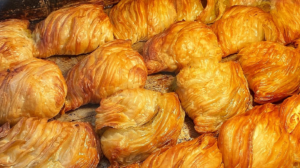
Where to eat them: You will find pastizzerias tucked away on almost every street corner in Malta. However, Crystal Palace, known locally as Serkin, remains legendary. Located in Rabat, just outside the ancient gates of Mdina, this tiny shop bakes fresh pastizzi around the clock.
2. Stuffat tal-Fenek: The National Dish
Rabbit stew, known locally as Stuffat tal-Fenek, proudly holds the title of Malta’s national dish. The tradition of eating rabbit actually dates back to the era of the Knights of St. John. The Knights placed strict hunting restrictions on the local population to protect their own private game reserves. Over time, hunting and eating rabbit became a powerful symbol of resistance for the Maltese working class.
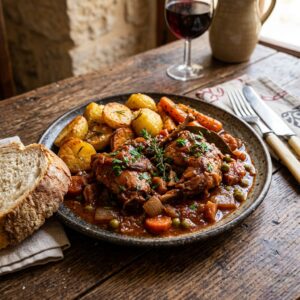
Today, eating rabbit remains a highly social event known as a Fenkata. Families and friends gather at rustic local restaurants to share this massive, hearty meal. Chefs slow-cook the rabbit in a rich, thick sauce of red wine, garlic, tomatoes, and fresh bay leaves until the meat practically falls off the bone.
A traditional Fenkata happens in two distinct courses. First, the server brings out a massive bowl of spaghetti smothered in the rich, savory rabbit sauce. Once you finish the pasta, the main event arrives. The tender rabbit meat hits the table alongside crispy roasted potatoes and thick slices of fresh local bread.
Where to eat it: The agricultural village of Mġarr is the undisputed capital of the Fenkata. Traditional restaurants like Ta’ l-Ingliż and Farmers Bar offer an authentic, no-frills dining experience. Bring a large appetite and expect a lively, noisy atmosphere.
3. Ftira: A Taste of Maltese Summer
Bread holds a truly sacred place in Maltese culture, and the ftira acts as its crown jewel. In 2020, UNESCO officially added this traditional sourdough bread to its Intangible Cultural Heritage list. The bread features a thick, deeply crusty exterior and a distinct hole in the middle, making it look slightly like an oversized bagel.
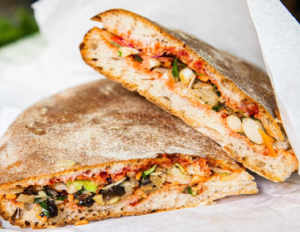
Eating a traditional ftira sandwich offers the ultimate taste of a Maltese summer. Locals slice the crusty bread wide open and rub it heavily with kunserva, a sweet and highly concentrated tomato paste. Next, they stuff the bread with high-quality tuna, salty capers, green olives, pickled onions, and fresh mint leaves. The acid from the tomatoes and the brine from the capers soak perfectly into the thick bread crust.
Where to eat it: For a traditional baked ftira, visit Nenu the Artisan Baker in the heart of Valletta. Their ovens produce some of the finest traditional bread on the island.
4. Hobz biz-Zejt: The Everyday Maltese Snack
If ftira is the heavy hitter of Maltese sandwiches, Hobz biz-Zejt serves as the essential everyday snack. Translating directly to “bread with oil,” this dish represents the pure essence of Mediterranean simplicity.
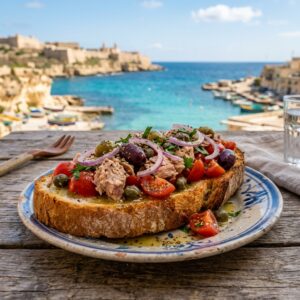
It starts with a thick slice of crusty, wood-fired Maltese bread. You rub a ripe, juicy tomato directly into the porous crumb, then drizzle it heavily with high-quality local olive oil. Finally, you top it with a savory mix of tuna, capers, chopped olives, and fresh onions. It is fast, incredibly fresh, and deeply connected to the daily rhythm of Maltese life.
5. Torta tal-Lampuki: The Taste of the Sea
Surrounded entirely by the Mediterranean Sea, Malta naturally boasts excellent seafood. The most famous local catch is the lampuka, widely known elsewhere as dorado or mahi-mahi. This delicious fish migrates past the Maltese islands between late August and November.
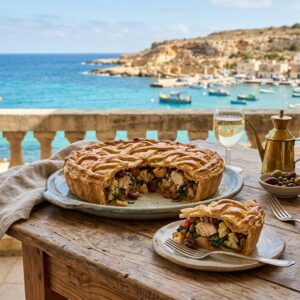
While locals certainly love eating the fish simply fried or baked, Torta tal-Lampuki (Lampuki pie) represents a brilliant fusion of different cultures. This savory pie combines large chunks of the meaty white fish with fresh spinach, cauliflower, black olives, capers, and sultanas. Adding raisins alongside a savory fish directly reflects the island’s ancient North African and Arabic culinary influences.
Where to eat it: To eat the absolute freshest seafood, you must visit Marsaxlokk. This traditional fishing village in the south of Malta features a bustling harbor full of brightly colored luzzu boats. Restaurants like Tartarun offer elevated, refined takes on traditional fish dishes.
6. Imqaret: A Sweet North African Legacy
When you need a quick sugar rush, follow the intoxicating scent of deep-fried dough and warm spices. Imqaret (pronounced im-kah-ret) are diamond-shaped pastry pockets completely stuffed with a heavily spiced date paste. They share a direct, undeniable lineage with similar date pastries found across Tunisia and Morocco.
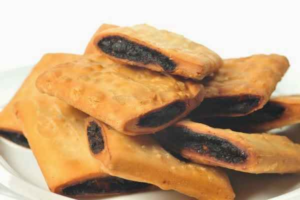
Street vendors deep-fry the pastries right in front of you until they turn a dark, gorgeous golden brown. The hot date filling inside becomes incredibly jammy, fragrant, and slightly sticky, offering bright hints of aniseed and fresh citrus.
Where to eat them: You will almost always smell the imqaret vendors long before you actually see them. The most famous and reliable stall sits right outside the main City Gate of Valletta. Grab a hot bag to eat while you explore the city walls.
7. Aljotta: Traditional Maltese Fish Soup
Aljotta is a light, intensely aromatic fish soup that captures the essence of the Mediterranean. Traditionally prepared by local fishermen using the smaller, unsold fish from their daily catch, this humble soup packs a massive flavor punch.
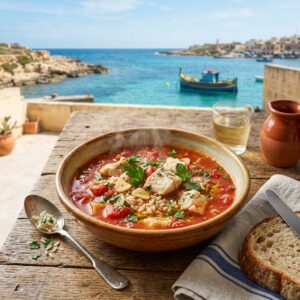
Cooks simmer the whole fish with garlic, fresh tomatoes, mint, and marjoram. They usually add a handful of rice to thicken the broth and give it some comforting bulk. It tastes incredibly fresh and remains a very popular dish during the fasting period of Lent.
Where to eat:
Aljotta is commonly found in local seaside restaurants in villages like Marsaxlokk or Marsaskala, especially restaurants serving fresh daily catch.
8. Qagħaq tal-Għasel: Honey Rings
No guide to Maltese food is complete without mentioning Qagħaq tal-Għasel, or honey rings. These traditional sweets look like small, doughy rings with a dark, sticky filling bursting through slits in the top.

Despite the name, they actually contain no honey. The filling consists of treacle or molasses mixed with orange peel, lemon, cloves, and aniseed. While bakeries sell them year-round, locals especially love eating these heavily spiced treats during the Christmas season alongside a hot cup of tea.
Embrace the Maltese Dining Culture
Eating in Malta extends far beyond simply consuming calories. It acts as a primary way to connect with the island’s complex history and its incredibly welcoming people. Restaurant portions here are famously generous, and meals are designed to be enjoyed slowly over great conversation and a bottle of local wine.
When you visit Malta, make a conscious effort to step away from the international fast-food chains and familiar hotel buffets. Venture into the small village squares, track down a bustling corner bakery, and pull up a chair at a local band club. By diving headfirst into the traditional foods outlined in this guide, you will truly discover the beating heart and soul of the Mediterranean. Ensure you arrive hungry, and leave plenty of time to savor every single bite.